Why Every Researcher Needs an Elevator Pitch
You have thirty seconds in the elevator with the director of a funding agency. Do you know what you would say? Most researchers don’t. It costs them more than they realise.
Read articleInsights
Thoughts on communication, pitching, writing, and what it means to share expertise well.
You have thirty seconds in the elevator with the director of a funding agency. Do you know what you would say? Most researchers don’t. It costs them more than they realise.
Read articleAll posts
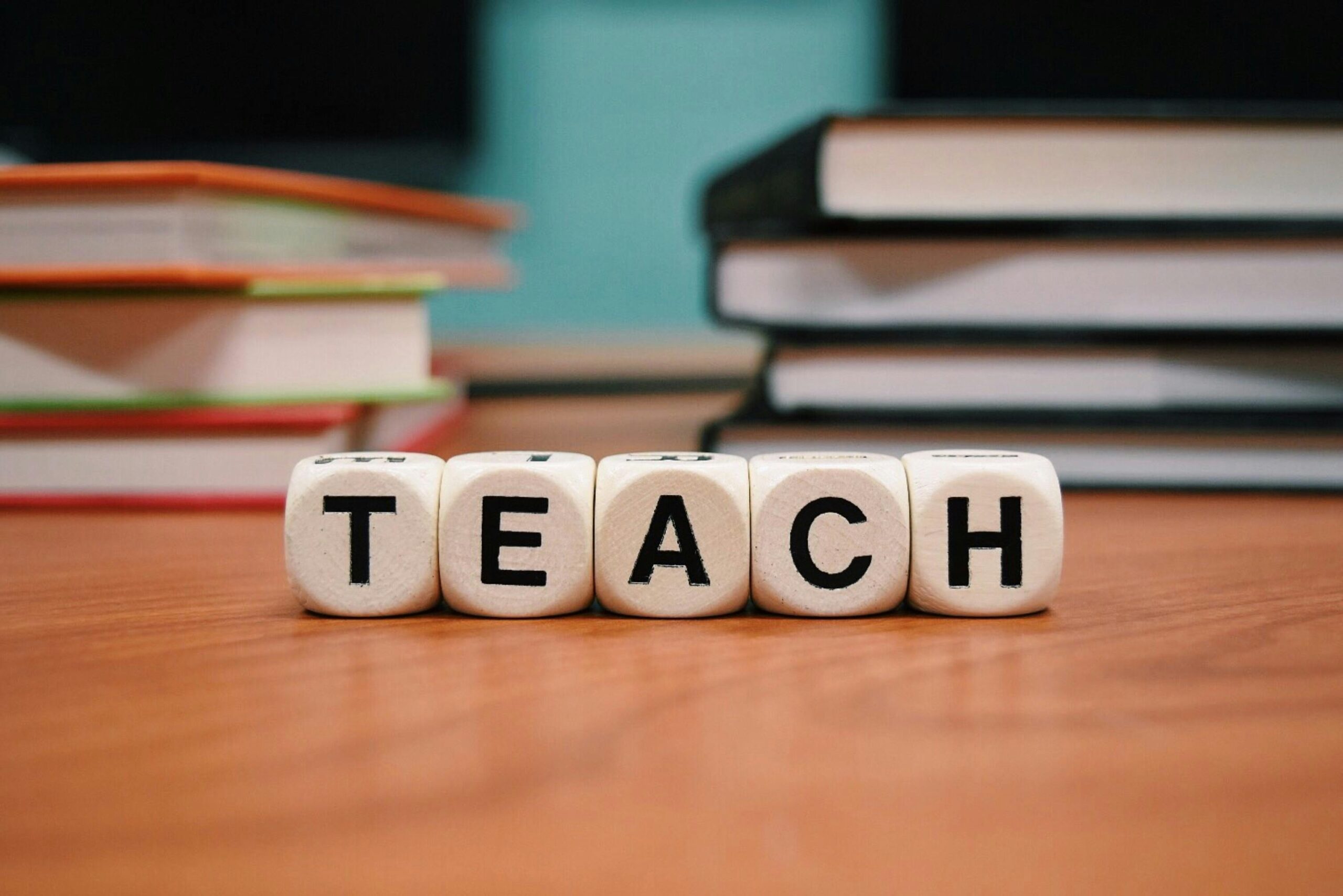
Teaching Pitch Perfect to PhD students from Belgian research institutes — what worked, what surprised me, and what they took home.
Reddit asked for the best advice from every profession. Here’s mine, as a communication professional specialised in science communication.
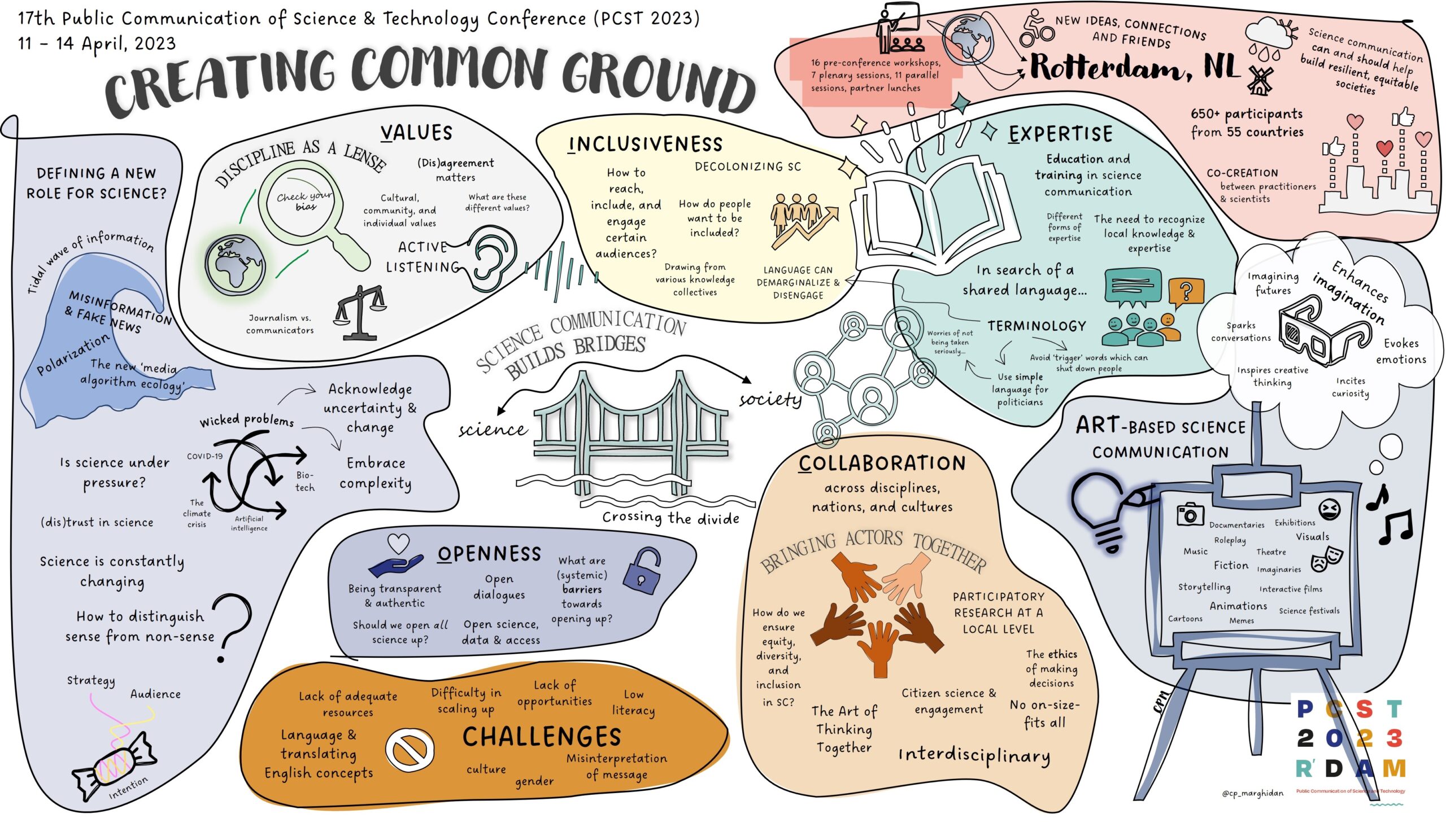
Personal reflections after evaluating PCST 2023, the world conference on Public Communication of Science and Technology.
The pandemic forced organisations to communicate differently. The most important lesson? Before you can say anything meaningful, you have to listen.
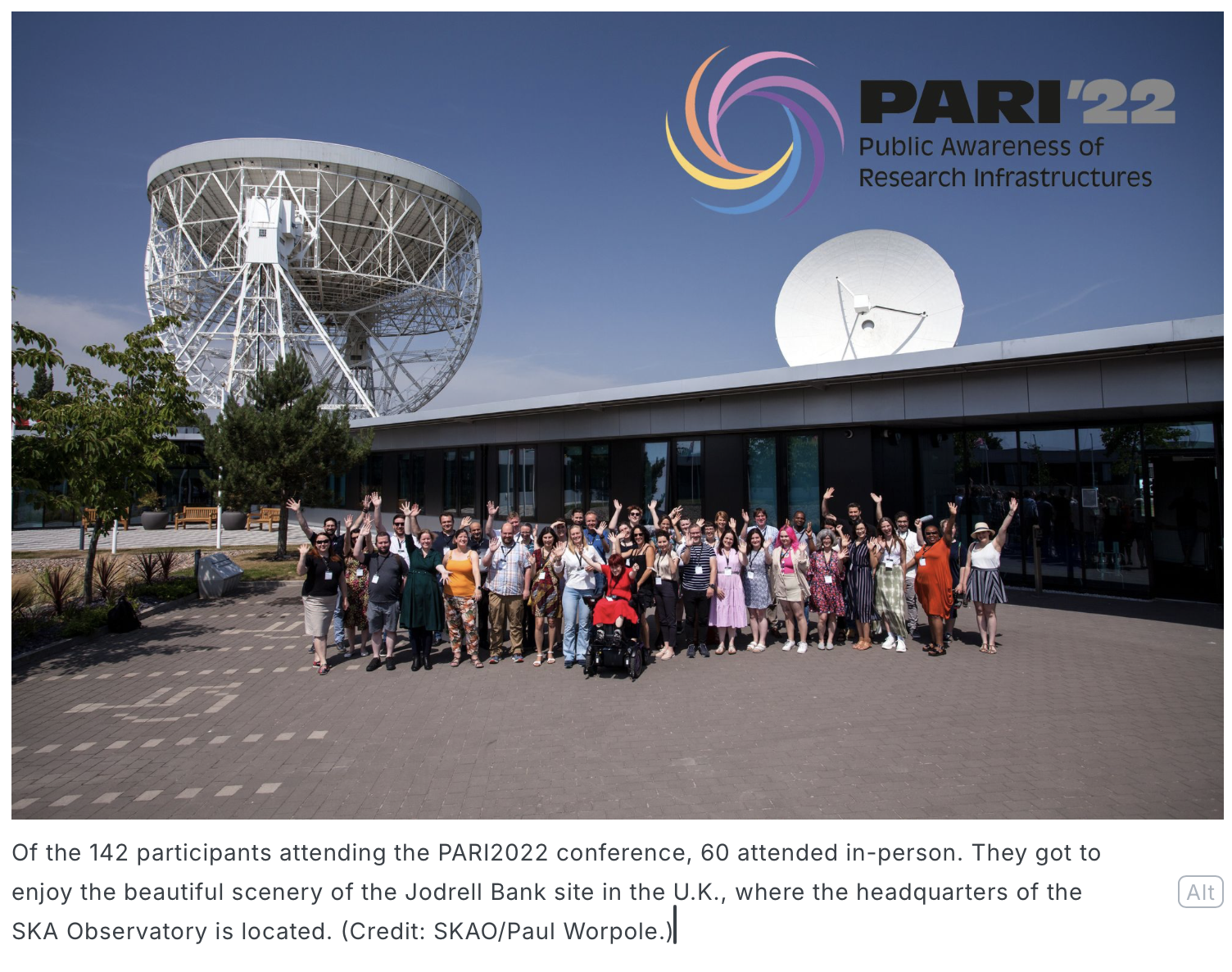
Reflections from the PARI conference at SKA Observatory on what it means — and takes — to open up research facilities to the public.
A reaction to SciComNL’s member survey — and a plea for professional training as the core task of any national science communication centre.
Politicians and media have a shared responsibility to prioritise substance over image. A plea for less spin, more content.
The expectations of scientists who engage with society have shifted. Broadcasting facts is no longer enough — dialogue and conversation are where the real work happens.
A practical guide to the best blogs, podcasts, conferences and newsletters for science communicators who want to keep learning.
Giving people information is a popular strategy — but the idea that knowledge changes attitude, which changes behaviour, is outdated.
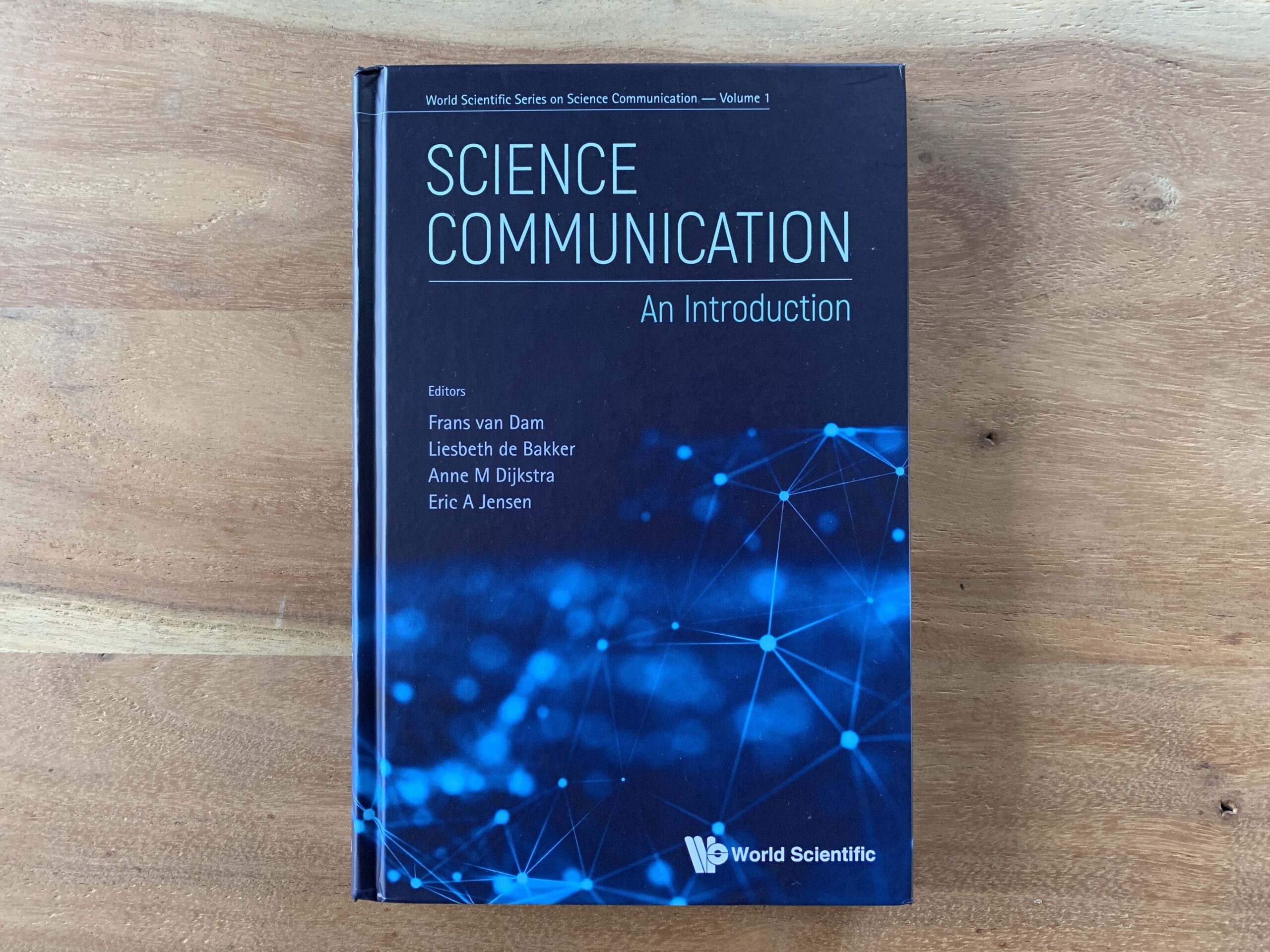
A new textbook in the World Scientific Series on Science Communication — including a chapter on science journalism co-written by Frank.
Leiden is full of curious, knowledgeable people. How do we make sure scientific knowledge reaches classrooms and professionals in a world where offline and online are merging?
A grumpy customs officer inadvertently explained the whole point: why travel somewhere for an online conference? Because the best conversations happen in person.
As newsrooms shrink and specialists are replaced by generalists, the demand for trustworthy science coverage has never been greater. Better science journalism starts with better training.