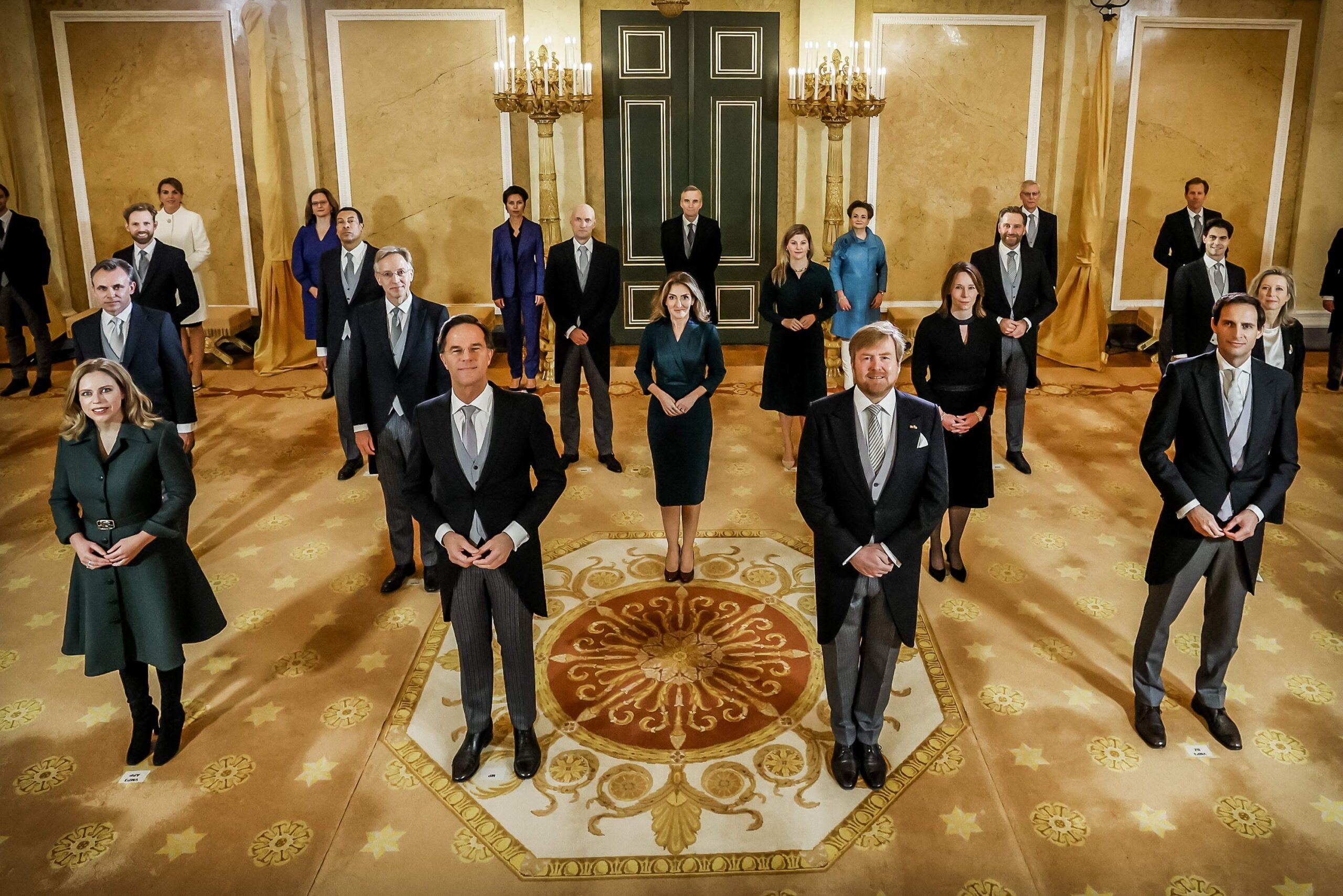
“It is to be hoped that the freshly appointed ministers and state secretaries are less concerned with image than with the content of their work. This also applies to the members of Parliament. Worrying about how something will come across and how the public will be taken in dominates the political work far too much”, writes Carla Joosten in EW Magazine.
Hear, hear. It has annoyed me for years that members of the government and parliament allow themselves to be governed so much by supposed images. But I miss the self-reflection of Ms Joosten and her colleagues in this opinion piece. I hope that not only politicians, but also the media — political editors in particular — will take responsibility in this process.
It is the House of Representatives that has been elected by the people to monitor the government on their behalf, not journalism. Policy makers should answer to parliament in the first place, not to journalists. But the roles seem to have been reversed more and more in recent years. Of course, the Lower House should take its role and not, like the government, try to score points through the media and think in terms of election deadlines instead of deadlines that social problems call for.
This shortcoming is also noted within journalism. For example, the British science journalist Tom Chivers concludes in a recent podcast that in England the political journalists attending the corona press conferences seem more keen to trip up ministers than to give their readers and viewers sound and useful information. The situation in the Netherlands is not very different — you only have to listen to the questions of journalists after an average corona press conference.
Restoring the sick dynamic between politics and media is, in my opinion, the key to restoring society’s trust in politics and requires both politics and journalism to take responsibility. After all, today’s newspaper is tomorrow’s litter box. Or as Carla Joosten puts it: “Leave the delusion of the day for what it is: a delusion.”
“Te hopen valt dat de vers aangetreden ministers en staatssecretarissen minder bezig zijn met imago dan met de inhoud van hun werk. Dat geldt ook voor de Kamerleden. Het piekeren over hoe iets zal overkomen en hoe het publiek binnengehaald zal worden, overheerst het politieke werk veel te veel”, schrijft Carla Joosten in EW Magazine.
Hoor, hoor. Het irriteert me al jaren dat leden van de regering en het parlement zich zo veel laten sturen door vermeende beelden. Maar ik mis in dit opiniestuk de zelfreflectie van mevrouw Joosten en haar collega’s. Ik hoop dat niet alleen politici, maar ook de media — politieke redacteuren in het bijzonder — verantwoordelijkheid zullen nemen in dit proces.
Het is de Tweede Kamer die door het volk is gekozen om namens hen de regering te controleren, niet de journalistiek. Beleidsmakers zouden in de eerste plaats verantwoording moeten afleggen aan het parlement, niet aan journalisten. Maar de rollen lijken de afgelopen jaren steeds meer te zijn omgedraaid. De Kamer zou haar rol moeten nemen en niet, zoals de regering, via de media punten proberen te scoren en denken in verkiezingstermijnen in plaats van in de termijnen die maatschappelijke problemen vereisen.
Dit tekort wordt ook binnen de journalistiek opgemerkt. De Britse wetenschapsjournalist Tom Chivers concludeert in een recente podcast dat politieke journalisten die de coronapersconferenties in Engeland bijwonen er meer op uit lijken te zijn ministers te betrappen dan hun lezers en kijkers degelijke en nuttige informatie te geven. De situatie in Nederland is niet veel anders.
Het herstel van de zieke dynamiek tussen politiek en media is naar mijn mening de sleutel tot het herstel van het vertrouwen van de samenleving in de politiek en vereist dat zowel politiek als journalistiek verantwoordelijkheid neemt. Want de krant van vandaag is het kattenbakpapier van morgen. Of zoals Carla Joosten het verwoordt: “Laat de waan van de dag voor wat het is: een waan.”