If you regularly do a Twitter search for the words “science journalism”, like I do, you’ll be amazed, amused and sometimes shocked by the amount of bashing science journalism takes in the Twittersphere. It shows that not all science journalism is created equal, and it’s a sign of the times: not all journalists who write about science are actually science journalists. They’re general journalists who were — willingly or out of necessity — given a science story to cover that day.
Newsrooms are under pressure. Revenues are down, budgets are being cut, and journalists are losing their jobs. Sadly, it’s often the specialists whose jobs get axed, which is a bit puzzling. It’s with specialized content, not with general news, that magazines and newspapers can compete for niche dominance. Yet in the face of cuts, some media resort to churnalism, where press releases from the ever-expanding PR departments of universities and research institutions are published unchecked. Others make the journalists who are left behind pick up the beats — beats they’ve never specialized in before.
Yet, never more than today has the need for sound science journalism been so great.
Sure, knowing whether cows line up with the Earth’s magnetic field will probably not change your life, but climate change and electric vehicles will. Knowledge drives the economy of most developed countries and more and more developing countries; academia creates jobs and exports products like technological innovations and scientists. In the face of all this, people need trustworthy and critical science journalism now, and more so in the future.
For example, science has once again become a ball in the game of politics. Some candidates try to use medieval ideas about science to woo their followers. Since books like Bad Science by Ben Goldacre are not compulsory reading for high school students (they should be, by the way), we need journalists with a proper knowledge of science to separate fact from fiction.
Why science needs a specialty
So why should science journalism be considered a specialism? What sets it apart from general news coverage? For starters, just like journalists who cover economics or politics or sports, science journalists require a more than average knowledge of the field they’re covering.
Today’s multitasking journalists cannot be expected to cover all beats equally well. Their editors-in-chief will say that all journalists should be able to cover science; it’s a matter of asking the right questions. That’s partly true, but only a good understanding of the field you are covering lets you know what the right questions are.
Science requires a lot of explaining, since the metabolism of the human body or the workings of quantum mechanics cannot be considered general knowledge. It helps when a journalist knows the difference between an atom and a molecule, correlation and causation, knows what a p value, the placebo effect, control groups and randomized trials are. They should know that reporting on a phase one clinical trial is premature, that not everything that’s found in rats can be instantly translated to humans, and that most studies on diet should be taken with a pinch of salt.
A good science journalist reads the original scientific paper he or she reports on. Knowledge of the scientific lingo is a must. Providing context is another important part of the job; you have to explain to your audience what this research means. Most importantly, a thorough understanding of the process of scientific research is essential. People — including journalists — need to know that science is a never-ending quest; no result can be considered the final truth.
Although science journalism adheres to the same rules as any other kind of journalism, there’s an important distinction in the use of balance. It is considered good journalistic practice to give two sides to every coin equal attention in your story. In science stories, balance doesn’t work the same way. Of course, critics of a policy or research need to be heard, but they should get the weight they deserve measured by the number of scientists they represent.
A clear example is the broad coverage that critics of climate change have gotten over recent years. Some of those critics, many of whom could not be considered experts, got the spotlight for the sake of balance, even though they represented a small minority. Using balance in science stories can give readers and viewers the idea that an issue is more controversial than it really is.
The need for specialized training
Stronger science journalism starts with more and better training — training of general journalists who cover the science beat, training of scientists and science students who want to venture into journalism, and training of science journalists to do more and better investigative journalism.
Don’t get me wrong, it’s not the be-all and end-all. There are plenty of journalists out there who will manage to bungle a science story even after an extensive training program. But most journalists want to do a good job in writing their stories. It’s their name in the byline, after all.
There are already a few excellent training programs in place. The Knight Science Journalism Fellowship at MIT offers journalists the opportunity to immerse themselves in a particular scientific topic. MIT also organizes boot camps on specific topics like food, medical evidence and neuroscience.
Particularly in developing countries, where scientific discoveries and technological innovations are having more and more impact, training science journalists is key. The World Federation of Science Journalists, representing 41 associations of science and technology journalists all over the world, recognized the need for journalists in developing countries to cover these topics. They started a mentoring and training program called SjCOOP in 2006 for journalists in African and Arab countries, and the program has been a success.
Part of SjCOOP was the development of the first online course in science journalism. It’s available in seven languages and open to anyone. The online course covers topics from finding and judging science stories to reporting on scientific controversy and policies to dealing with statistics and social media.
Reporting on science takes skill. The tools to teach these skills are available. We need more universities to offer graduate degrees in science journalism to train the next generation of reporters. We need science to be a regular part of the curriculum in journalism schools. We need editors-in-chief to give their journalists the opportunity to take science journalism workshops.
We need this because the need for science and technology coverage will increase — on the front pages, in the economy and business sections, in the science sections, and in the Twittersphere.
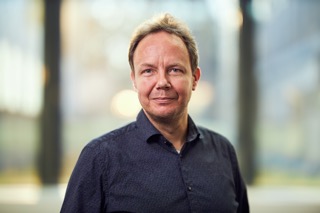
Frank Nuijens was editor-in-chief of the university newspaper Delta and the science magazine Delft Outlook at Delft University of Technology. He was also a guest lecturer in science journalism at the university. Before that, he was a science journalist for science programs and a national science news website of Dutch public broadcasting. He edited the science journalism online course of the World Federation of Science Journalists (WFSJ), and served on the executive and program committees of the past two World Conferences of Science Journalists.
This article originally appeared on PBS Mediashift.
Als je regelmatig op Twitter zoekt naar de woorden “wetenschapsjournalistiek”, zoals ik doe, zul je versteld staan, geamuseerd zijn en soms geschokt zijn door de hoeveelheid kritiek die wetenschapsjournalistiek te verduren krijgt. Het toont aan dat niet alle wetenschapsjournalistiek gelijk is geschapen. Niet alle journalisten die over wetenschap schrijven zijn namelijk echte wetenschapsjournalisten. Het zijn algemene journalisten die — vrijwillig of noodgedwongen — die dag een wetenschapsverhaal te verslaan kregen.
Redacties staan onder druk. Inkomsten dalen, budgetten worden gekort en journalisten verliezen hun baan. Helaas zijn het vaak de specialisten wiens banen worden geschrapt. Maar juist met gespecialiseerde inhoud, niet met algemeen nieuws, kunnen tijdschriften en kranten concurreren om niche-dominantie. Toch grijpen sommige media in tijden van bezuinigingen terug op churnalism, waarbij persberichten van de almaar uitdijende pr-afdelingen van universiteiten en onderzoeksinstellingen ongecontroleerd worden gepubliceerd.
En toch is de behoefte aan gedegen wetenschapsjournalistiek nooit groter geweest dan vandaag.
Klimaatverandering en elektrische voertuigen zullen ons leven ingrijpend veranderen. Kennis drijft de economie van de meeste ontwikkelde landen en steeds meer ontwikkelingslanden. In het licht van dit alles hebben mensen nu behoefte aan betrouwbare en kritische wetenschapsjournalistiek, en in de toekomst nog meer.
Wetenschap is opnieuw een speelbal geworden in de politiek. Sommige politici gebruiken achterhaalde ideeën over wetenschap om hun aanhang te winnen. Omdat boeken als Bad Science van Ben Goldacre geen verplichte kost zijn op middelbare scholen (dat zouden ze overigens wel moeten zijn), hebben we journalisten nodig met degelijke wetenschappelijke kennis om feit van fictie te scheiden.
Waarom wetenschap een specialisme vereist
Waarom zou wetenschapsjournalistiek als een specialisme worden beschouwd? Net als journalisten die economie, politiek of sport verslaan, hebben wetenschapsjournalisten meer dan gemiddelde kennis van het terrein dat ze verslaan nodig.
Van de hedendaagse multitasking-journalisten kan niet worden verwacht dat ze alle terreinen even goed kunnen verslaan. Hun hoofdredacteuren zullen zeggen dat alle journalisten wetenschap moeten kunnen verslaan; het gaat erom de juiste vragen te stellen. Dat klopt deels, maar alleen een goed begrip van het terrein dat je verslaat, laat je weten wat de juiste vragen zijn.
Wetenschap vereist veel uitleg. Het helpt als een journalist het verschil kent tussen een atoom en een molecuul, correlatie en causaliteit, en weet wat een p-waarde, het placebo-effect, controlegroepen en gerandomiseerde trials zijn. Ze moeten weten dat rapporteren over een fase 1-klinische studie prematuur is, en dat de meeste voedingsstudies met een korreltje zout genomen moeten worden.
Een goede wetenschapsjournalist leest het oorspronkelijke wetenschappelijke artikel waarover hij of zij bericht. Kennis van het wetenschappelijke jargon is een must. Context bieden is een ander belangrijk onderdeel van het werk; je moet het publiek uitleggen wat dit onderzoek betekent.
Hoewel wetenschapsjournalistiek dezelfde regels volgt als elk ander soort journalistiek, is er een belangrijk verschil in het gebruik van hoor en wederhoor. In wetenschapsverhalen werkt dat niet op dezelfde manier. Critici van beleid of onderzoek moeten worden gehoord, maar ze moeten het gewicht krijgen dat ze verdienen, gemeten naar het aantal wetenschappers dat ze vertegenwoordigen.
Een duidelijk voorbeeld is de brede aandacht die klimaatsceptici de afgelopen jaren hebben gekregen. Sommige van die critici, van wie velen niet als experts konden worden beschouwd, kregen de schijnwerpers omwille van hoor en wederhoor, ook al vertegenwoordigden ze een kleine minderheid. Dit kan lezers en kijkers het idee geven dat een kwestie controversiëler is dan ze werkelijk is.
De behoefte aan gespecialiseerde training
Betere wetenschapsjournalistiek begint met meer en betere opleiding — training van algemene journalisten die het wetenschapsdomein verslaan, training van wetenschappers die de journalistiek in willen, en training van wetenschapsjournalisten om meer en beter onderzoeksjournalistiek te bedrijven.
De Knight Science Journalism Fellowship aan het MIT biedt journalisten de mogelijkheid zich te verdiepen in een bepaald wetenschappelijk onderwerp. Eveneens organiseert het MIT bootcamps over specifieke onderwerpen zoals voedsel, medisch bewijs en neurowetenschap.
Met name in ontwikkelingslanden, waar wetenschappelijke ontdekkingen en technologische innovaties een steeds grotere impact hebben, is het trainen van wetenschapsjournalisten cruciaal. De World Federation of Science Journalists erkende de behoefte aan journalisten in ontwikkelingslanden en startte in 2006 een mentoring- en trainingsprogramma genaamd SjCOOP voor journalisten in Afrikaanse en Arabische landen.
Onderdeel van SjCOOP was de ontwikkeling van de eerste online cursus wetenschapsjournalistiek. Die is beschikbaar in zeven talen en open voor iedereen.
Over wetenschap berichten vraagt vaardigheid. De tools om deze vaardigheden te onderwijzen zijn beschikbaar. We hebben meer universiteiten nodig die masteropleidingen wetenschapsjournalistiek aanbieden. We hebben wetenschap nodig als vast onderdeel van het curriculum op journalistiekscholen. En we hebben hoofdredacteuren nodig die hun journalisten de gelegenheid geven wetenschapsjournalistiek-workshops te volgen.
We hebben dit nodig omdat de behoefte aan wetenschaps- en technologieverslaggeving zal toenemen — op de voorpagina’s, in de economierubriek en in de wetenschapsbijlagen.
Frank Nuijens was hoofdredacteur van de universiteitskrant Delta en het wetenschapsmagazine Delft Outlook aan de Technische Universiteit Delft. Hij was ook gastdocent wetenschapsjournalistiek aan de universiteit. Daarvoor was hij wetenschapsjournalist voor wetenschapsprogramma’s en een nationaal wetenschapsnieuwswebsite van de Nederlandse publieke omroep.
Dit artikel verscheen oorspronkelijk op PBS Mediashift.